

An insulated tennis bag can refer to different features. Start with the compartment: is the lining around a drinking bottle, a racquet space, or another part of the bag? Match that feature to the item you want to carry. A bottle pocket and a thermal-lined racquet compartment answer different court-day needs.
For a refined two-racquet tote with a considered place for water, the Maison Muze Westmount Tennis Weekender brings a thermal-lined interior pocket together with an exterior water and umbrella pocket. Here is a simple way to read those details when choosing your bag.
Cover: AI-created editorial illustration. The bottle and separate pouch are contextual props, not a Muze product demonstration.
Read the pocket, not just the word “insulated”
Look for two pieces of information beside an insulation claim: the location of the lining and the intended contents. For example, VESSEL's PrimeX DXR specifications list a thermal-lined racquet compartment separately from thermal-lined bottle sleeves. That distinction is useful when comparing any bag: similar wording can describe separate features.
| Feature | Where to look | Buying question |
|---|---|---|
| Insulated bottle pocket | The space intended for a drink | Where will my closed bottle go, and can I reach it during a changeover? |
| Thermal-lined racquet compartment | The dedicated racquet space | Does the maker specifically describe thermal lining around the racquets? |
A feature described for one pocket does not describe every compartment. Keep the manufacturer's wording attached to the part it names. If comparing temperature or time claims, use the published conditions for that particular product.
Make a three-line pocket-purpose card
Before choosing a bag, write down these three details. This keeps the feature connected to your routine.
- Item: name what you want to carry, such as your usual water bottle.
- Place: identify its intended pocket, including whether that pocket is inside or outside.
- Access: decide when you want to reach it: on the journey, beside the court, or after play.
Bring the bottle's measurements into your comparison and look at the pocket opening as well as its location. Close the bottle before packing. Then give your racquets, shoes and small belongings their own places, rather than expecting one feature to organise the entire bag.
The Westmount's discreet water pocket
The Westmount's thermal-lined interior pocket is designed for cold water. Its separate exterior water and umbrella pocket offers another named place in the layout. That combination lets you plan your water around the way you move through a court day, while the two-racquet exterior pocket and dedicated side shoe compartment keep the rest of the kit organised.
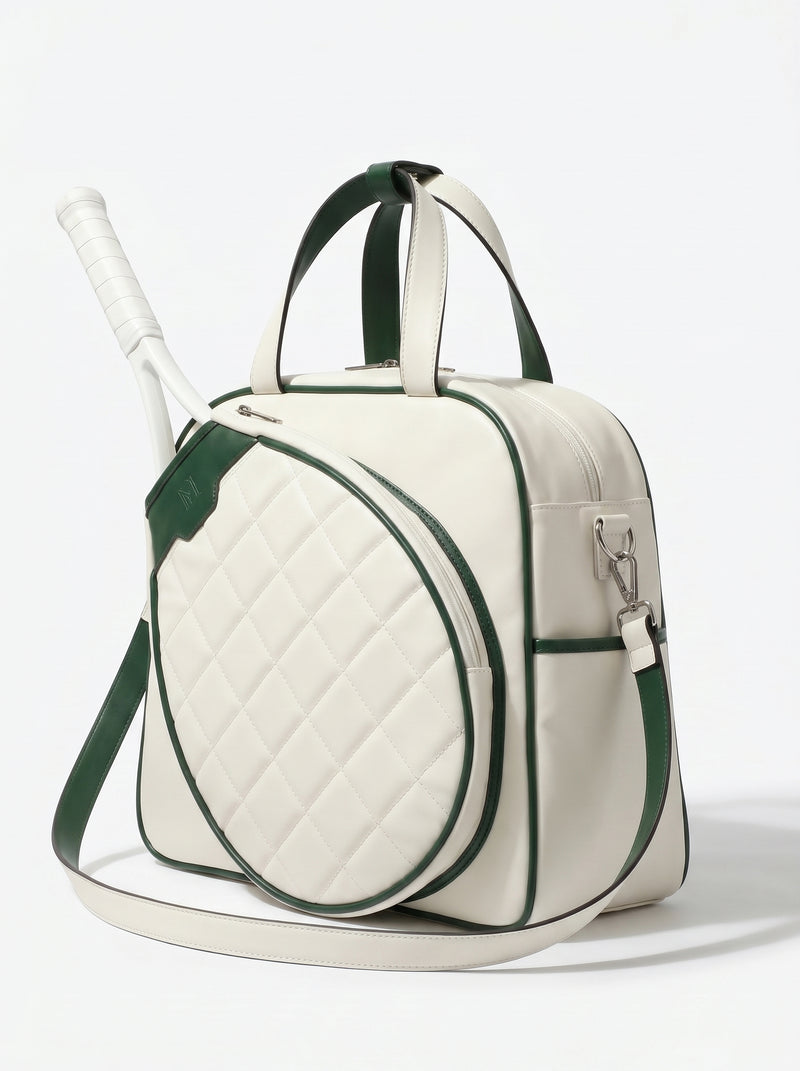
For a complete pocket layout, see our pocket-by-pocket organisation guide. For this buying decision, the useful distinction is the purpose of the thermal-lined pocket: a considered place for your water within the everyday tote.
Quick answers
Does an insulated pocket mean the whole bag is insulated?
The description applies to the pocket it names. Check the individual compartment details when comparing bags.
Is a water pocket the same as a thermal racquet compartment?
They have different intended contents. Choose by the stated compartment and its purpose, rather than treating the two descriptions as interchangeable.
If your court day calls for up to two racquets, separate shoe storage and discreet organisation for water, explore the Westmount Tennis Weekender. Refined quilting, quiet branding and multiple carry options make the practical details part of a bag you can take beyond the court.
A Maison Muze buying guide. Product details checked 26 October 2026.